
Persistent Dryness After Refractive or Cataract Surgery
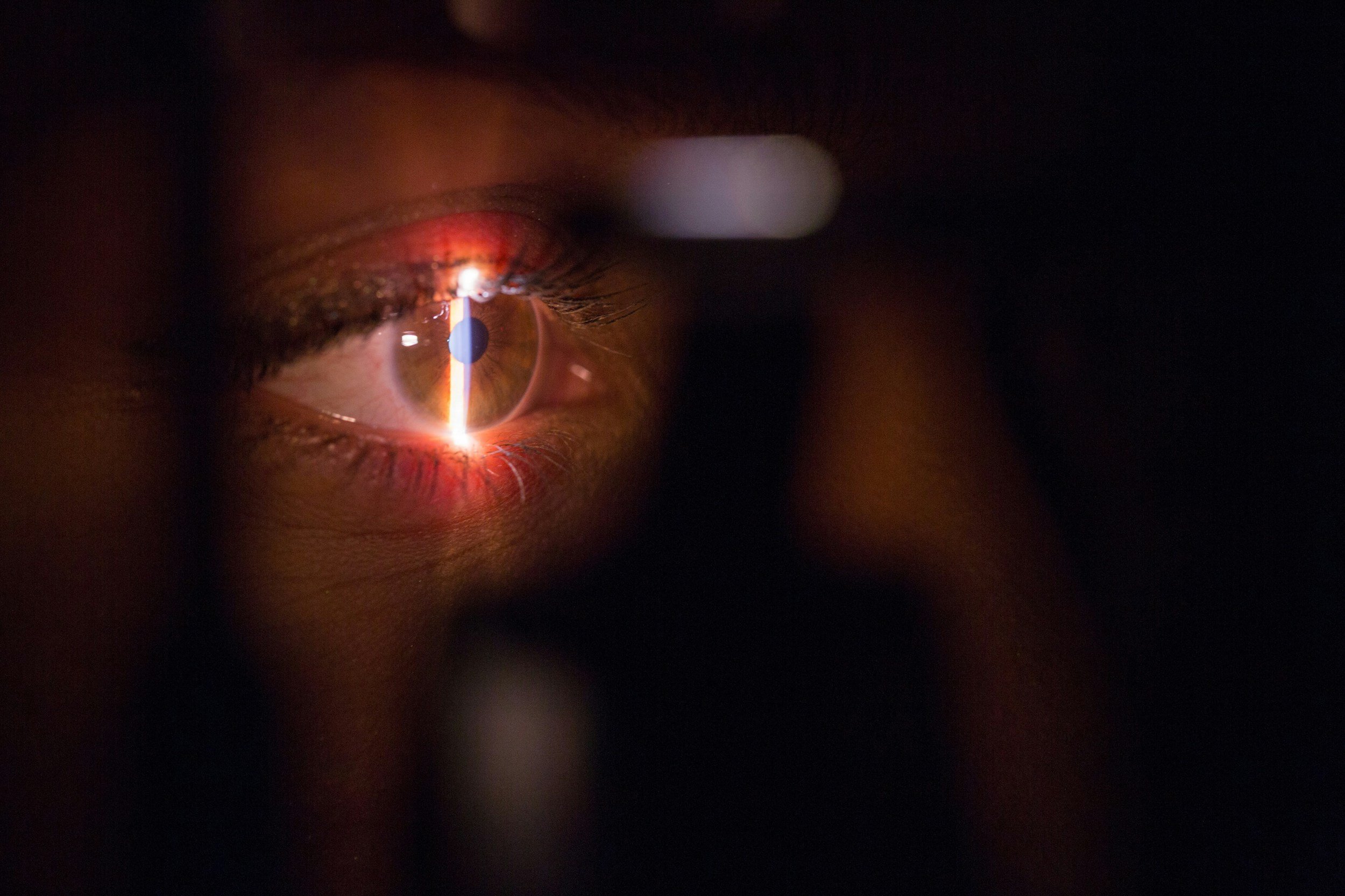
Clear vision is life-changing. However, refractive and cataract surgery temporarily alter the ocular surface and corneal nerves, which can lead to dryness, irritation or fluctuating vision during recovery.
For most patients, these changes are temporary and manageable — but in some cases, symptoms persist without targeted treatment.
We work alongside surgeons to support ocular surface optimisation before and after surgery.
Why It Happens
Up to 50% of patients have signs of dry eye before refractive surgery — often undiagnosed
Corneal nerves are temporarily affected during both laser and cataract procedures.
Tear film instability is common, especially in the early post-operative healing phase.
Optimising the ocular surface improves visual quality and patient satisfaction after surgery.
How We Help

Assessment may include detailed tear film evaluation and meibomian gland imaging to identify the underlying driver of symptoms. Management may include:
Advanced tear film diagnostics
Meibomian gland therapy
IPL for inflammatory dry eye
Targeted lubrication strategies
Punctal plug insertion where appropriate
Structured lid hygiene protocols
Amniotic membrane therapy in selected cases